 Preparing for an AI/robotics economy.
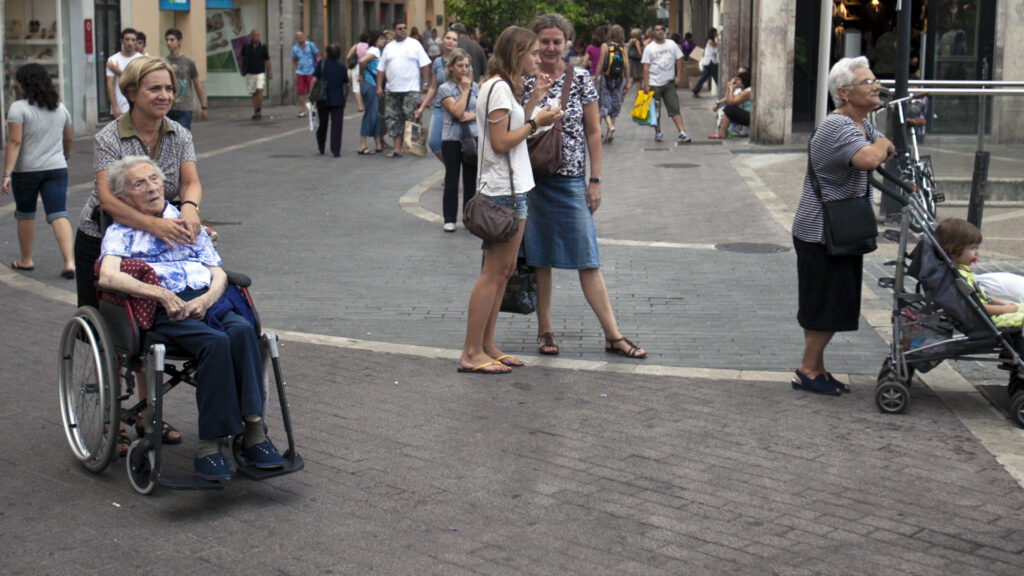 Policymakers talk about our ageing population — reports, reviews, and strategies — yet little changes. The problem is seen through the wrong lens: a car-based society where the default answer is segregation in retirement villages and nursing homes.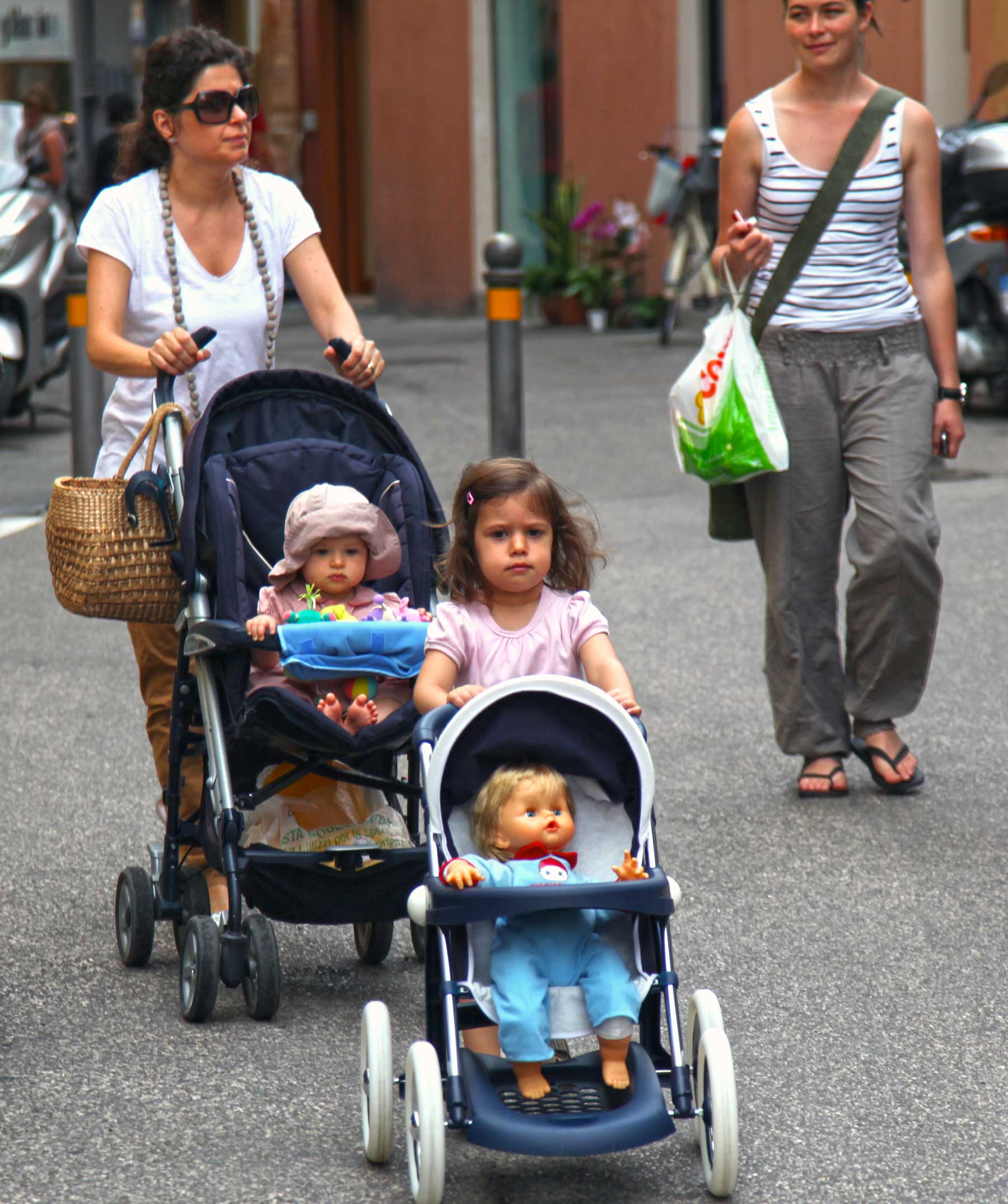
 As the global economy becomes more interrelated, the risk of global meltdown increases. The best way to protect against this is to lower dependency on it. A local economy needs the global economy to thrive, but when, for whatever reason, it fails, a local economy has the basics covered.
 Society’s decision makers were born in an analogue era where much of life was face-to-face: nonderivative reality. Younger generations grew up with an evolving derivative reality, where experience comes via digital transmission.
 Many reasons — but nearly all trace back to misguided legislation: the RMA, the Building Act, and layers of regulation shaped by lobbying rather than good governance. Over 50% of development costs are the cost of permission.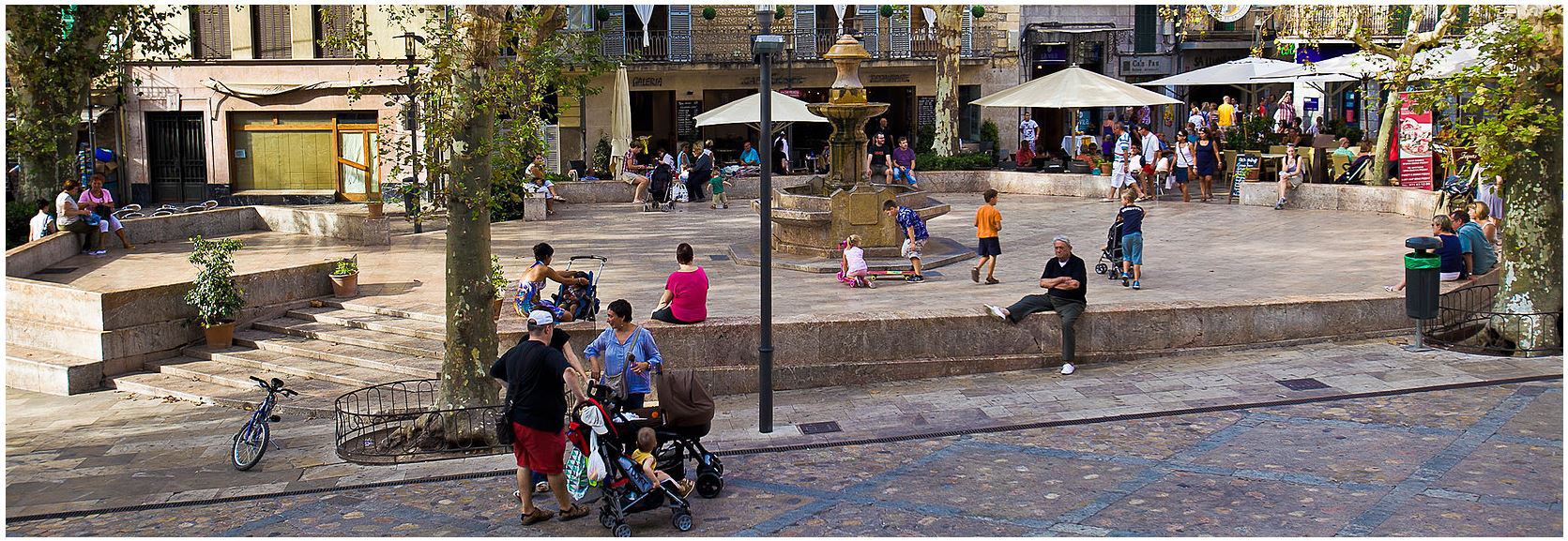
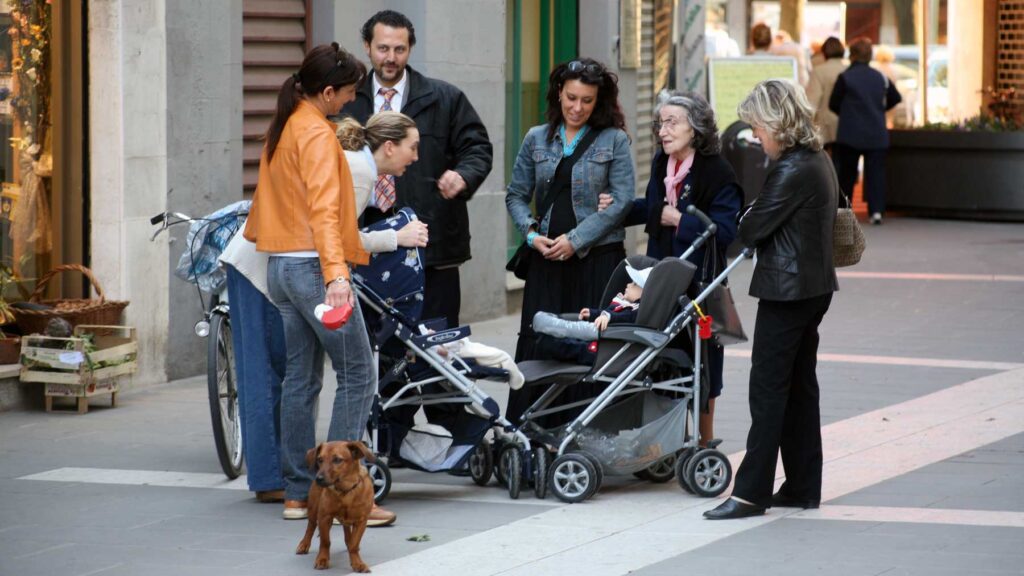 Children learn by watching adults. Isolate them in campuses, and they turn to the Internet for role models—then we wonder why they struggle as citizens.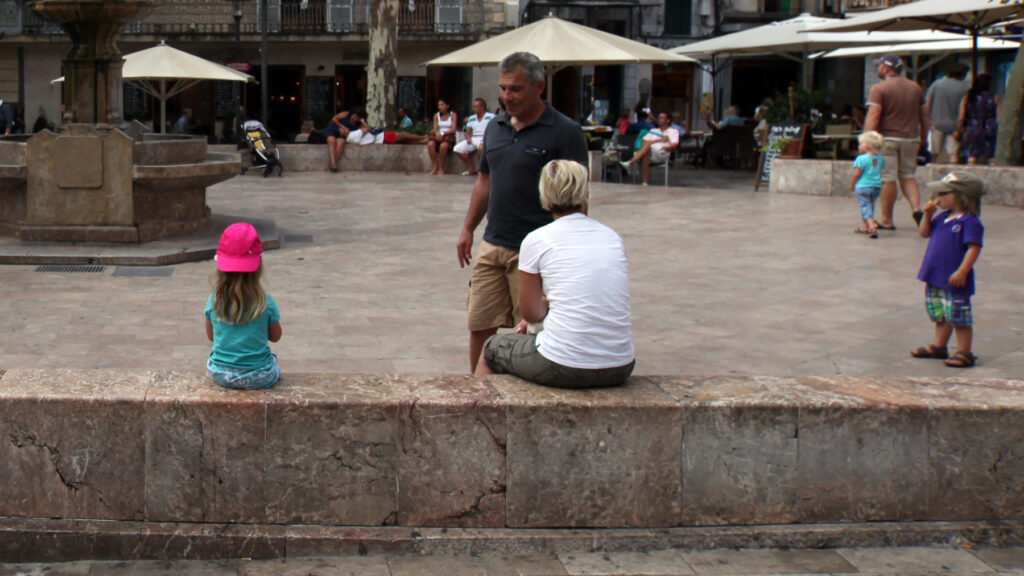
 Too often, young people are isolated from the world they are about to inherit. Without guidance, work experience, or the chance to put down roots, they drift toward screens, temporary jobs, and distant housing—leaving them unprepared for adult life.
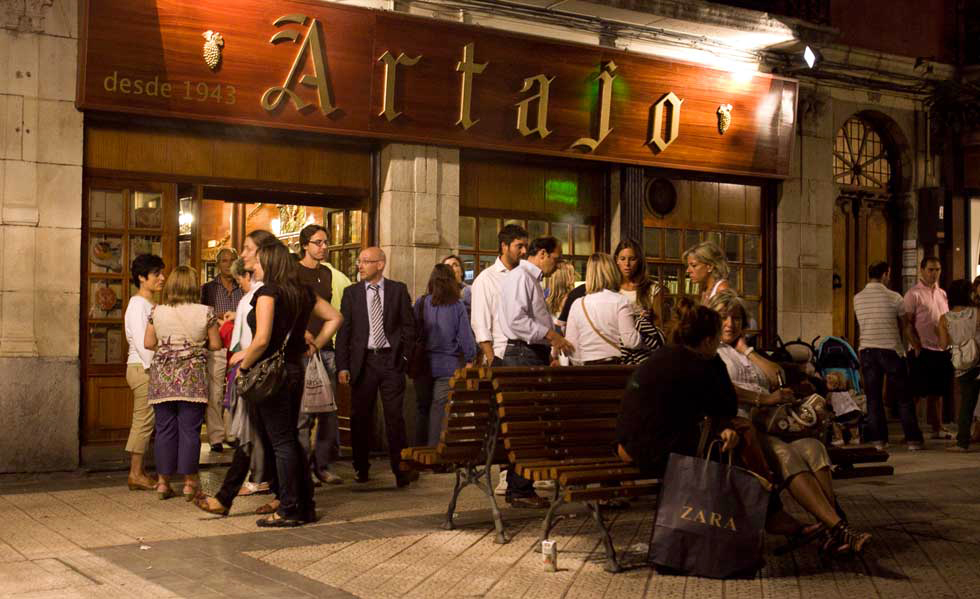 In a MarketTown, that transition is built into the community. Apprenticeships, civic projects, and entry-level jobs connect teens to real work and responsibility. Affordable starter homes and mixed-use neighbourhoods let them live near where they learn and work.
 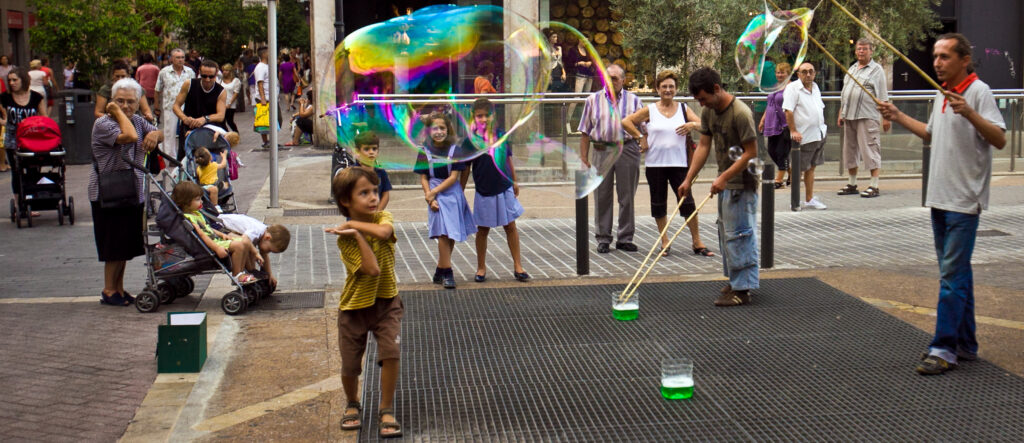 For parents, nothing matters more than the safety of their children. But safety today is far different than the old days.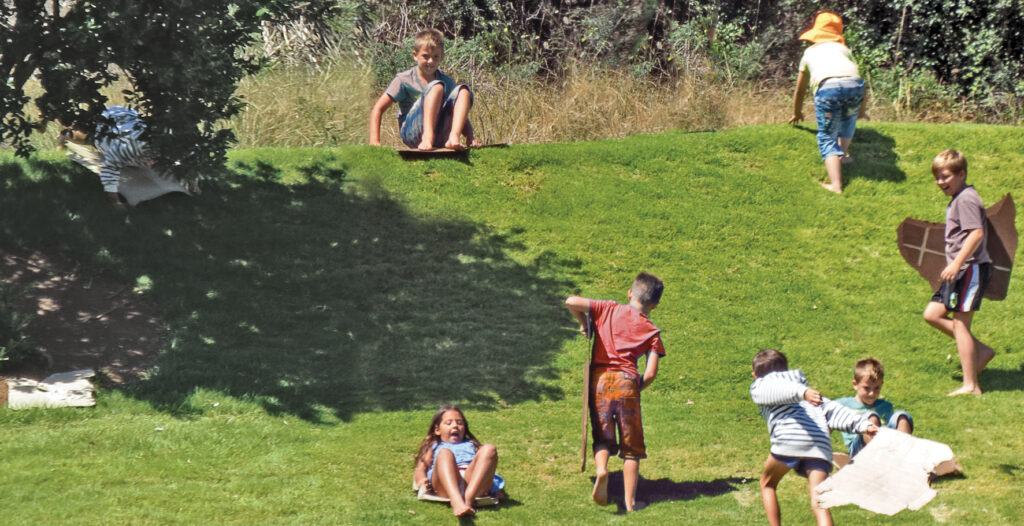
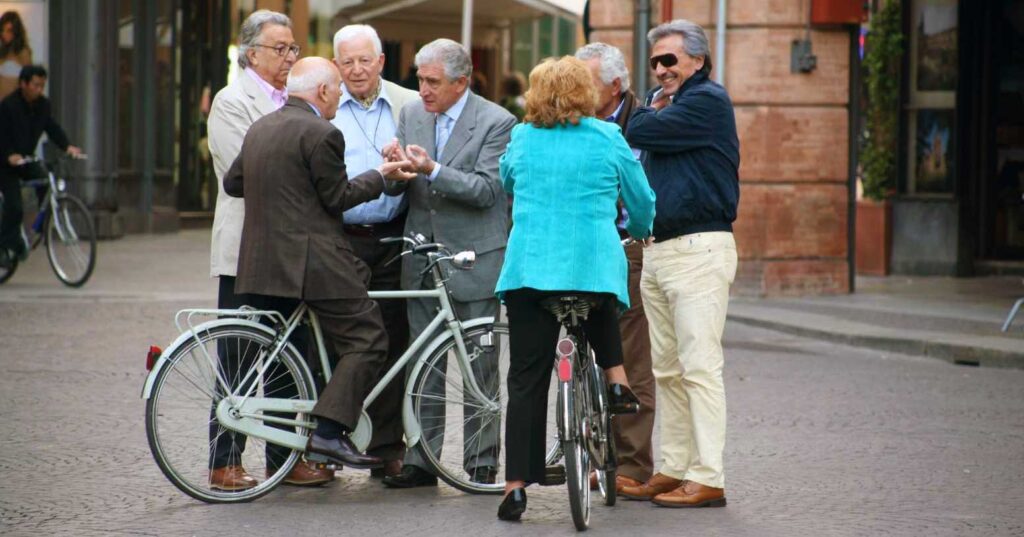
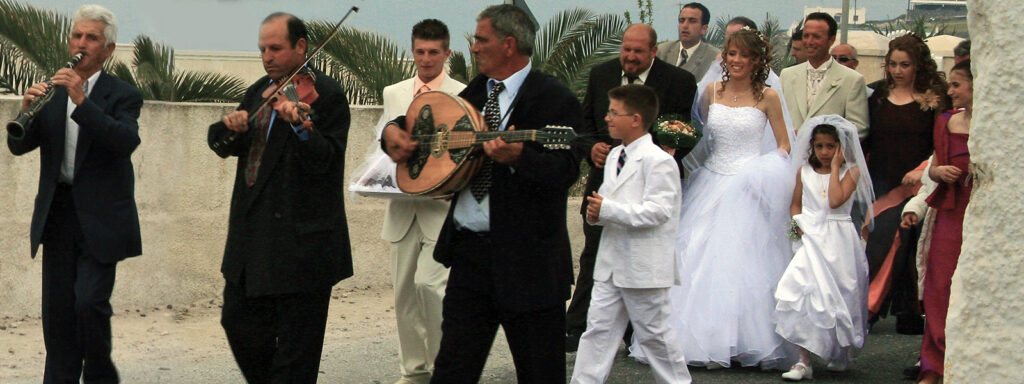

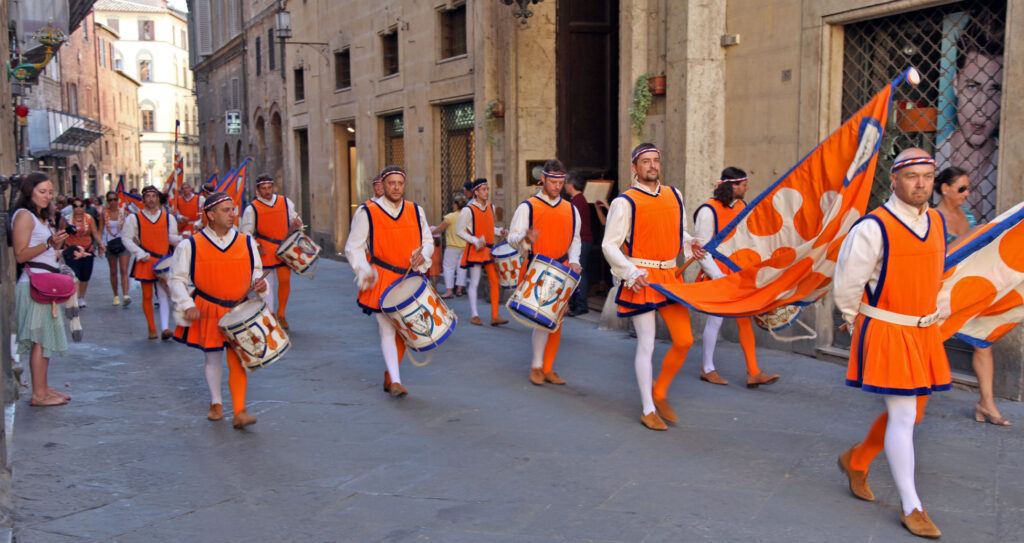 The result is a town alive with variety: different foods, festivals, and ways of life — distinct yet connected, each village enriching the whole.
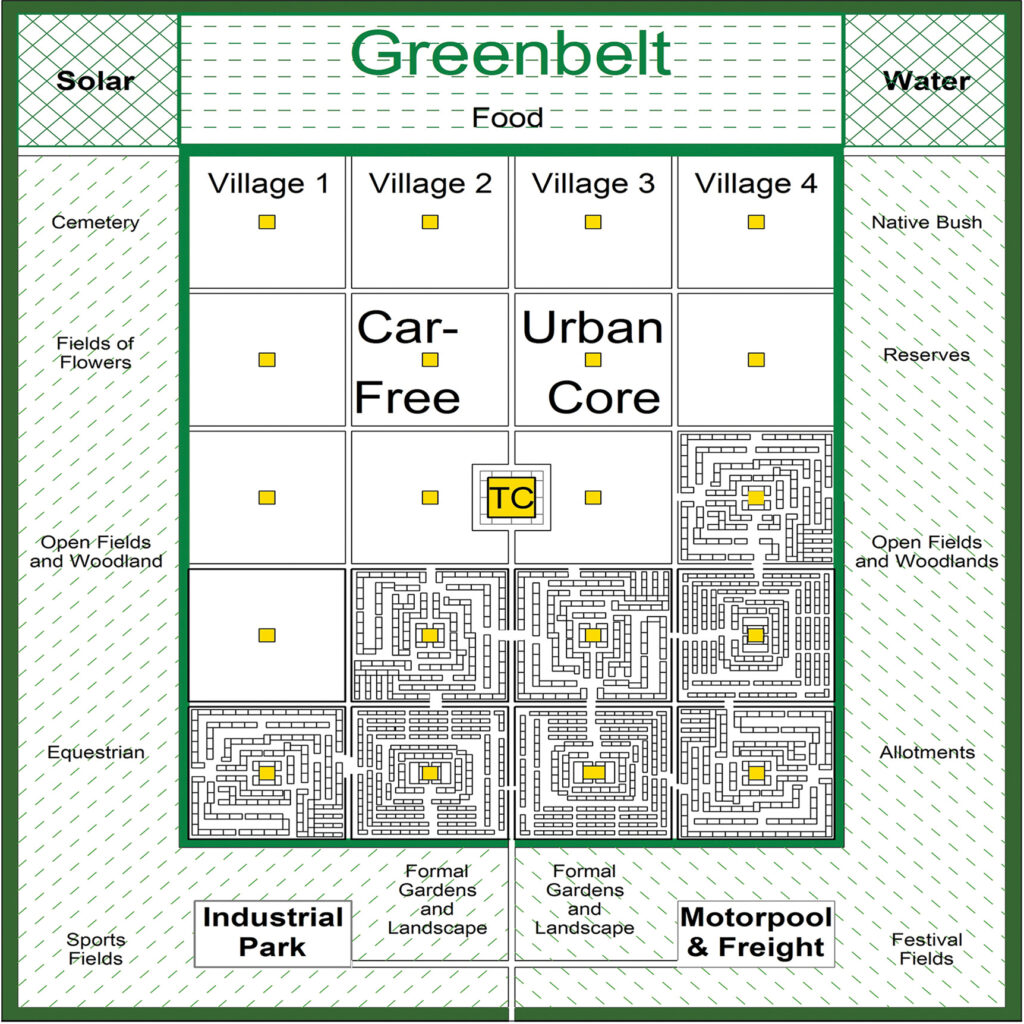 Land: 200 hectares of greenfield—not prime farmland, but land suited for settlement.
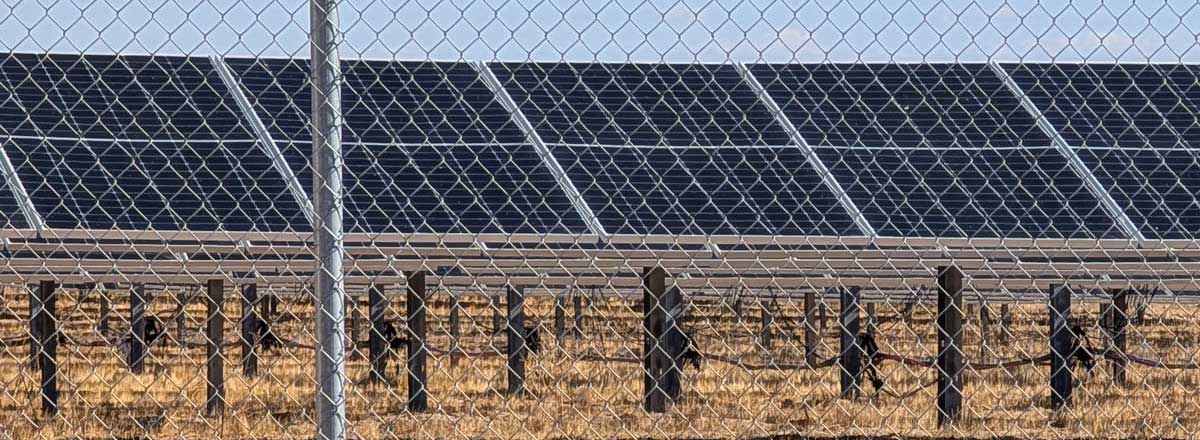 Too often Green ideology results in greenwash, greenflop and greenwreck. Spending $20 billion tax dollars to buy overseas carbon credits is greenwaste. New Zealand makes up just 0.17% of global emissions. Why do we use Green to make life harder?
MarketTowns
Reinventing Local
If you are serious about the future, stop building transport-based developments

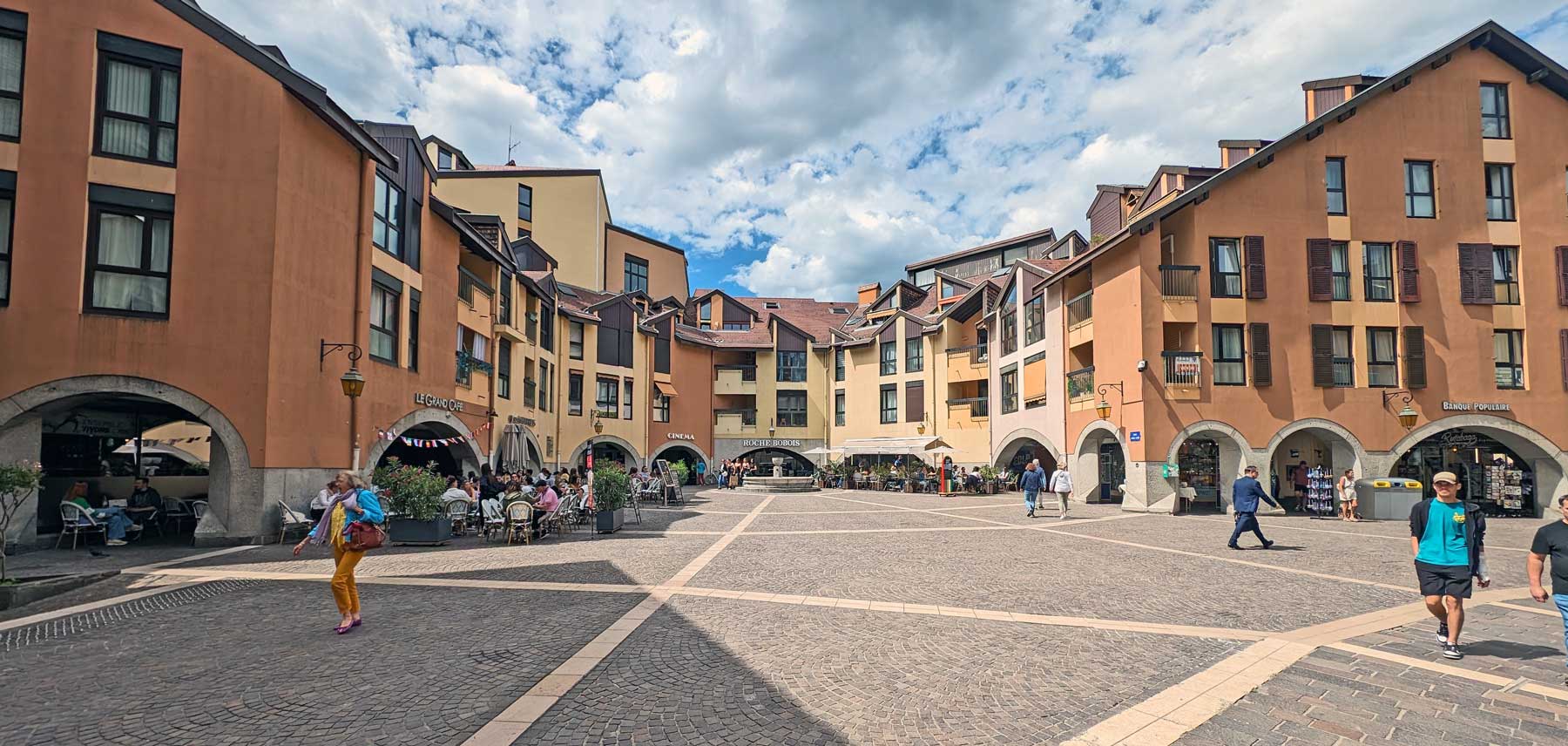
Technology changes how we design our communities. The shift in technology from transport-based design to fibre-based design changes everything. Rather than invent new designs that invariable produce unanticipated negative side effects, the Market Town is a pre-industrial design based on timeless, proven patterns that people love.
The market town is a thousand-year old pattern that worked until the Industrial Revolution needed to house millions of workers in gritty cities as fodder for massive factories. With the invention of cars, we started building transport-based suburbs not because people loved them, but to provide markets for steel, oil and chemicals. Now fibre-optic is replacing transport as the backbone of the economy.
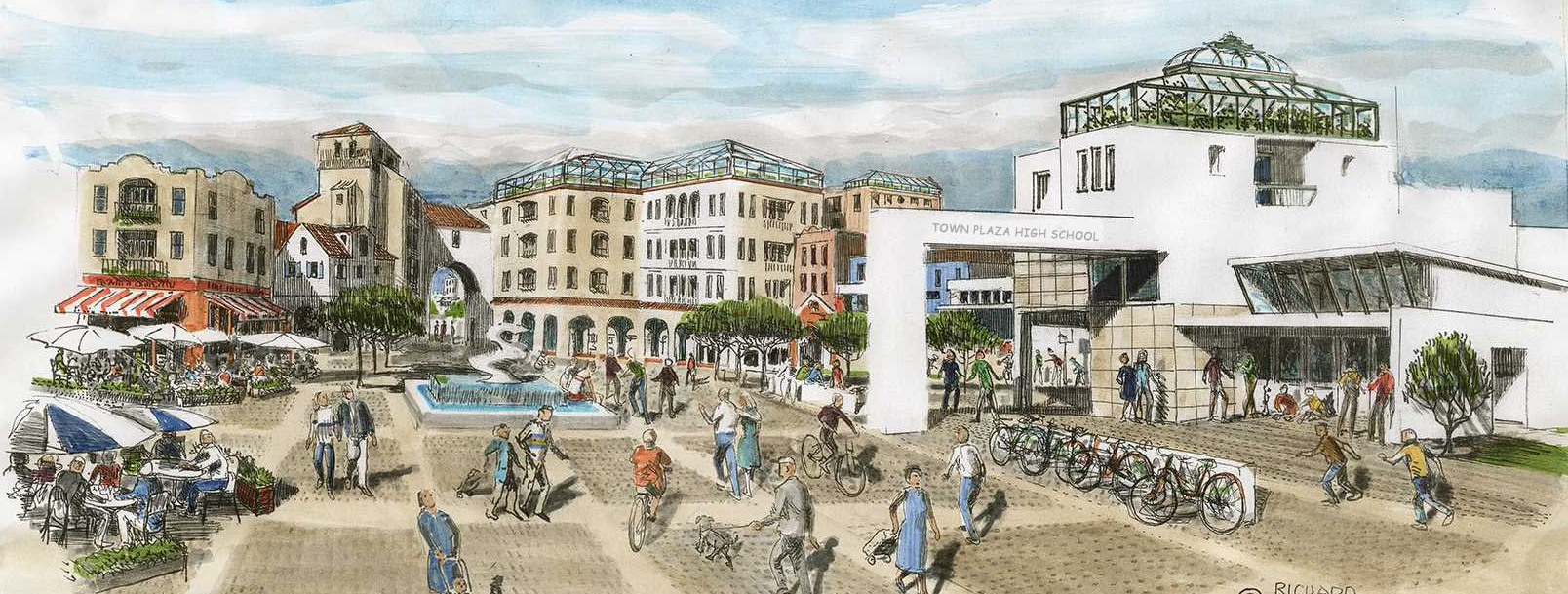
In looking for a development pattern that fits, it is the fibre-optic based, 21st century MarketTown. It is a local economy designed to enable people to enjoy a good life: the social pursuits of conviviality, citizenship and artistic, intellectual & spiritual growth.
Place
- 200 hectare, greenfield site beyond suburban-sprawl ring
- 85 hectare, car-free urban core. Walk, cycle, microcar delivery
- Zero outbound commuters, all jobs, school, shops and activities in urban core
- 8,000 cars off the road, replaces 200 courier vans with 3 delivery trucks
- One cosmopolitan town centre surrounded by 20 side-by-side villages (clusters)
- 115 ha greenbelt to prevent cross-boundary conflicts surrounds the Urban Core
People
- 10,000 population, about 200 families in each village, each with its own character
- $2 billion, self-contained, self-managing, self-supporting local economy
- $500,000 median home price. Lowest-priced flat $200,000, 20% parallel market
- Does not use developer/builder model that increases housing costs
- Uses a UDA-chartered organising company that cuts housing costs
- Manufactures 4,000 multi-floor homes in an on-site, pop-up factory
- Parallel market ensures no gentrification, fixed income workers protected
- 3-year timeline start to finish using German technology
Policy
- Zero council funding for access roads, zero council funding for three-waters
- Zero council funding for parks, libraries, meeting halls, sports, programs, etc
- Zero Ministry of Education funding to build new school classrooms
- Zero-waste target, manages its waste by avoidance, repair, repurpose, recycle
Social
- Complete, not elite community.
- No struggling class, no spawning of a predator class
- Socially enriched – designed for all ages, stages and walks of life
- Culturally diverse – each village has its own theme
- Artistically enriched – each village has its own artist guild hall
- Safe outdoors for children, a real childhood, not a coddled one
- Elders supported to end of life, no need to move to a retirement home
Environmental
- Car free within the urban core means safe, quiet, social streets
- Real carbon reduction by eliminates the need to drive
- Real carbon reduction by using Greenbelt solar array to power the town
- Rainwater harvesting/storage, grey/black water reprocessing on site
- Greenbelt eliminates cross-boundary conflicts – a good neighbour
- Designed to weather adverse events (climate, pandemic, economic)
Economic
- Affordable cost of living for all, not just the top half
- Permanent affordability for fixed-income workers (such as teachers)
- Tax positive: pays more rates/taxes than it takes
- Regional economic engine that revitalise a struggling region
The Time is Now
We all sense…
“We all sense that something has gone terribly wrong with our communities. Hamlets and cities, slums and suburbs all lack a sense of cohesion. Not only is there no centre – there is no there there. Cities, towns, villages and communities designed hundreds of years ago are obviously based upon some basic purpose of living that eludes the designers of our own time.” Victor Papanek
Timeless Patterns
For thousands of years we designed communities with self-supporting local economies to enable people to enjoy a good life, understood as the social pursuits of conviviality, citizenship and artistic, intellectual & spiritual growth. We stopped that when we started calling ourselves consumers rather than citizens. Now there is a pressing need to change how we live.
A MarketTown
is a community built upon a self-supporting local economy where all activity is local. No cars within, no outbound commuters. It is a complete (not elite) community for all ages, stage and walks of life. It is an answer to housing affordability for all, to climate change, traffic congestion, but more importantly than avoiding these negatives, it’s about a much higher quality of life for all.